Eighty years ago this week the British army begins to emerge from the 1930s
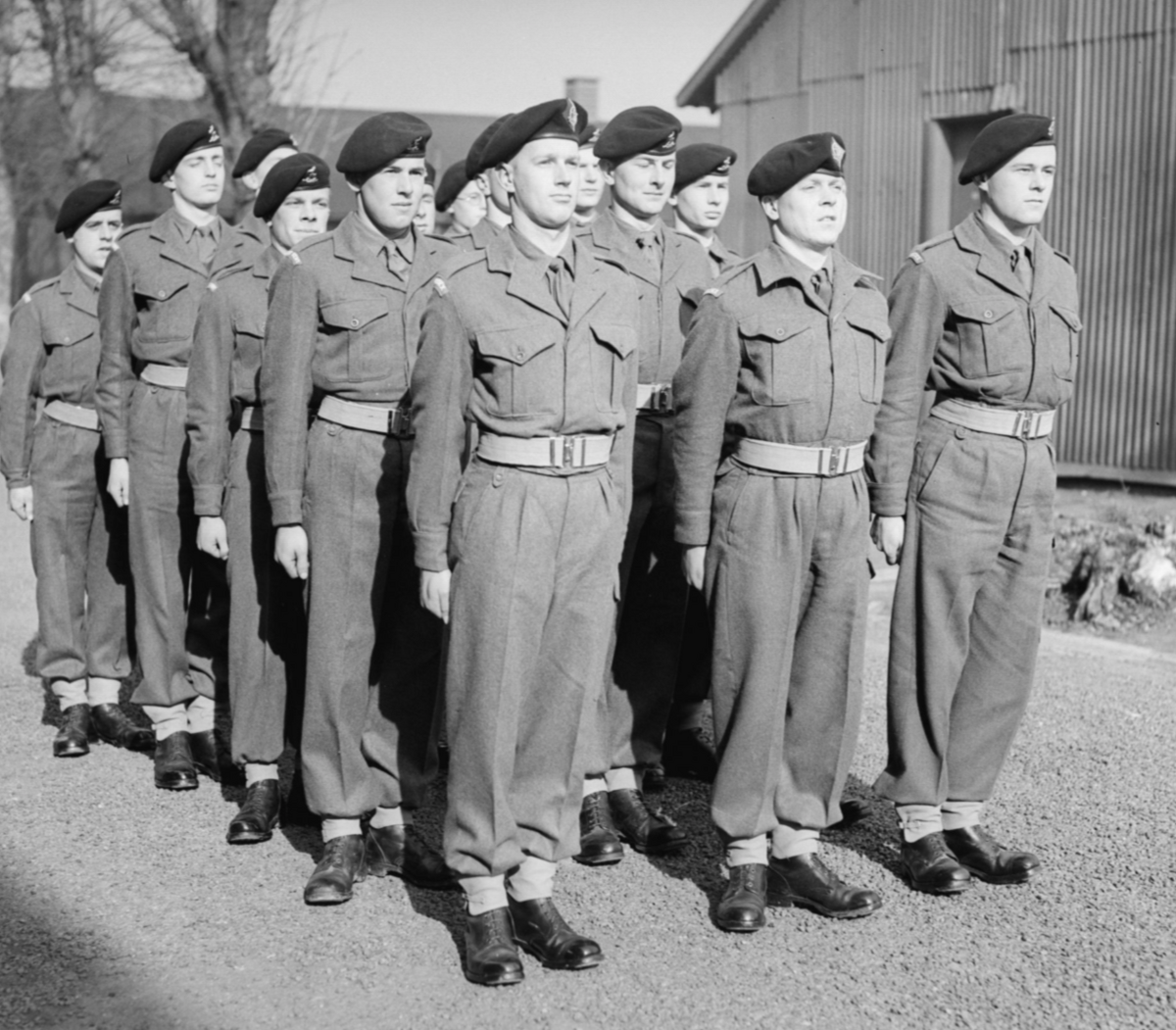
The British army drastically eased conditions of service. There had been widespread discontent at the continuation of rigorous, essentially pre-war regulations into peacetime conscripted service. In particular, mandatory wearing of uniforms off-duty was abolished and the system of granting short term leave permission softened. Privates and NCOs would be allowed to socialize off-duty. The wearing of collar and tie which had been the prerogative of officers was extended down the ranks. The General Staff also recognised that the pre war model of long term enlistment of volunteers was no longer viable and was anxious to make three to five year fixed-term engagements more appealing.
The US announced the sale of $20m of war surplus aircraft in the Pacific theatre to the Kuomintang regime in China. Combat aircraft were excluded and they were mainly transport aircraft, but the apparent support for one side in the civil war was unmistakable. General Marshall had been conducting a diplomatic mission to the two sides in the hope of establishing a widely supported government that was not wholly communist outside the orbit of the Soviet Union. The sale agreement greatly complicated an already hugely difficult task.
A referendum in Greece voted 1.14m to 0.52m in favour of retaining the monarchy. King George II had spent the war in exile mostly in Egypt where the British had treated him as the rightful head of state. He played little part in the resistance to the occupiers or direct part in the civil war that had raged for at least two years. There had been widespread intimidation carried out by anti-communist forces in favour of a yes vote. Insofar as there was genuine positive feeling towards the monarchy, it was rooted in hope that a return to previous constitutional government would put an end to the civil war.


Comments
Post a Comment